

As March arrives and Johannesburg begins its transition into autumn, homeowners and business owners across the city face a familiar — and frustrating — problem: rodents coming indoors. Rats and mice don’t need much of an invitation. As outdoor temperatures cool and food sources become scarce, they actively seek warmth, shelter, and food inside our homes, restaurants, offices, and warehouses.
This guide covers everything Johannesburg residents and business owners need to know about rodent activity this season: how to identify the signs early, the real risks of an infestation, proven prevention strategies, and when to call in the professionals. With eco-friendly pest control solutions now more effective than ever, you don’t have to choose between protecting your family and protecting the environment.
Why Autumn Triggers Rodent Activity in Johannesburg
Johannesburg’s climate makes March a particularly active month for rodents. As autumn sets in, average temperatures drop and the natural food supply available to rats and mice outdoors begins to decline. This creates a strong biological drive to find warmer, more sheltered environments — and our buildings are ideal.
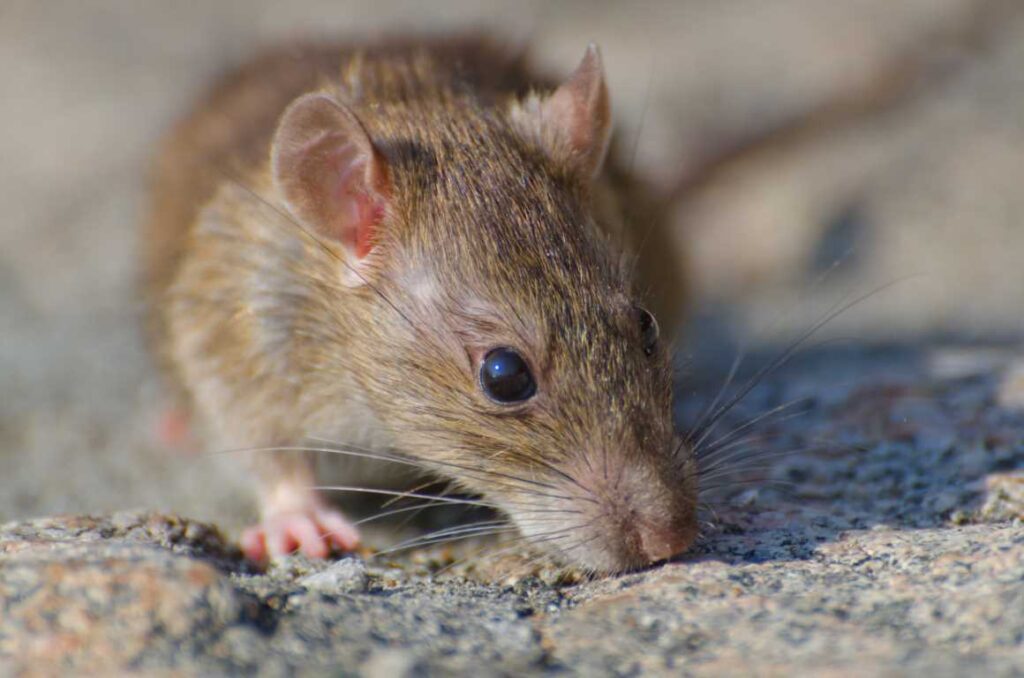
Roof rats (Rattus rattus) and house mice (Mus musculus) are the most common species encountered in Johannesburg homes. Roof rats are agile climbers that exploit gaps in rooflines and ceiling voids. House mice, meanwhile, can squeeze through openings as small as 6–7mm — roughly the diameter of a pen. Both species are capable of establishing breeding colonies with alarming speed.

How to Identify a Rodent Infestation Early
Catching a rodent problem early dramatically reduces the cost and disruption of treatment. Here are the key signs to watch for in your Johannesburg home or business:
Droppings
Rodent droppings are typically the first visible sign of an infestation. Rat droppings are 10–20mm long and capsule-shaped, while mouse droppings are smaller (3–6mm) and pointed at both ends. High-activity areas include kitchen cupboards, behind appliances, in ceiling voids, and along wall edges.
Scratching and Movement Sounds
If you hear scratching, scurrying, or gnawing noises — particularly at night — in your ceiling, walls, or under floorboards, rodents are almost certainly present. These sounds are most pronounced in autumn and winter as populations seek warmth.
Gnaw Marks and Structural Damage
Rodents must constantly gnaw to manage their ever-growing incisors. Look for chew marks on wooden beams, skirting boards, food packaging, and — most dangerously — electrical wiring. Gnawed wiring is a leading cause of electrical faults and fires in South African homes.
Grease Trails and Runways
Rats are creatures of habit. They follow the same routes repeatedly, leaving greasy smear marks along walls and floor edges from the oils in their fur. Spotting these trails can help pest professionals identify activity patterns.
The Real Risks of a Rodent Infestation
Rodents are far more than a nuisance. Untreated infestations carry serious health, safety, and financial consequences:
Health Hazards
Rats and mice can transmit several diseases to humans, including leptospirosis (spread through contaminated urine), salmonellosis (food contamination), and hantavirus. They also introduce fleas and ticks into homes, which carry their own health risks.
Property Damage
Rodents are remarkably destructive. They gnaw through insulation, PVC piping, wooden structures, and electrical cables. Insurance claims related to rodent damage run into the thousands of rands for many Johannesburg homeowners each year.
Regulatory and Reputational Risk for Businesses
For food businesses and commercial operations in Johannesburg, a rodent infestation can trigger health department intervention, temporary closure, and lasting reputational damage. Proactive pest management is not just good practice — it is a compliance requirement.
Eco-Friendly Rodent Prevention: What You Can Do at Home
Prevention is always more cost-effective than treatment. These practical steps can significantly reduce the risk of rodents entering your property this autumn:
Seal Entry Points
Conduct a thorough inspection of your property’s exterior. Seal gaps around pipes, cables, and vents with appropriate materials such as steel wool packed into expanding foam, or galvanised mesh. Pay particular attention to roofline gaps, weep holes, and areas where utilities enter the building.
Eliminate Food and Water Sources
Store food in sealed containers, clean up spills promptly, and ensure rubbish bins have tight-fitting lids. Compost heaps and pet feeding areas should be managed carefully, as these are common attractants for urban rodents.
Reduce Harbourage Opportunities
Clutter provides ideal nesting sites. Keep garages, storage areas, and garden sheds organised and off the ground where possible. Trim vegetation away from your home’s exterior walls to reduce rodent pathways.
When to Call a Professional Pest Controller
DIY measures can help reduce the risk of an infestation but are rarely sufficient once rodents have established themselves inside a property. If you identify droppings, hear movement in your ceiling, or notice gnaw damage, it is time to bring in professional help.
Apex Pest Control uses eco-friendly rodent management solutions tailored to each property. Our approach combines targeted baiting using environmentally responsible products, physical exclusion recommendations, and follow-up monitoring to ensure lasting results. We serve both residential and commercial clients throughout Johannesburg.
Why Eco-Friendly Rodent Control Is the Smarter Choice
Traditional rodenticide treatments, while effective, carry risks for non-target species including pets, birds of prey, and other wildlife. Eco-friendly rodent management uses targeted application methods that minimise environmental impact without compromising effectiveness.
Apex’s treatments are formulated to be safe for use around children and pets when applied correctly by our trained professionals. We believe effective pest control and environmental responsibility go hand in hand — and March is the ideal time to get ahead of the season’s rodent pressure.
Conclusion
Johannesburg’s autumn brings predictable challenges — but rodent infestations don’t have to be one of them. By understanding the seasonal drivers of rodent activity, recognising the early warning signs, and acting swiftly with professional eco-friendly treatment, you can protect your home or business before an infestation takes hold.
Apex Pest Control is Johannesburg’s trusted partner for professional, eco-friendly rodent management. Whether you’re a homeowner in Sandton, a restaurant owner in Rosebank, or managing a warehouse in Germiston, our team is ready to help.
Call us today for a no-obligation quote: 083 227 7523 or 067 717 7119, or visit us online at https://apexpest.co.za.